
Type YRUHKGXSFpyn 3.6/6 kV Mining Power cables
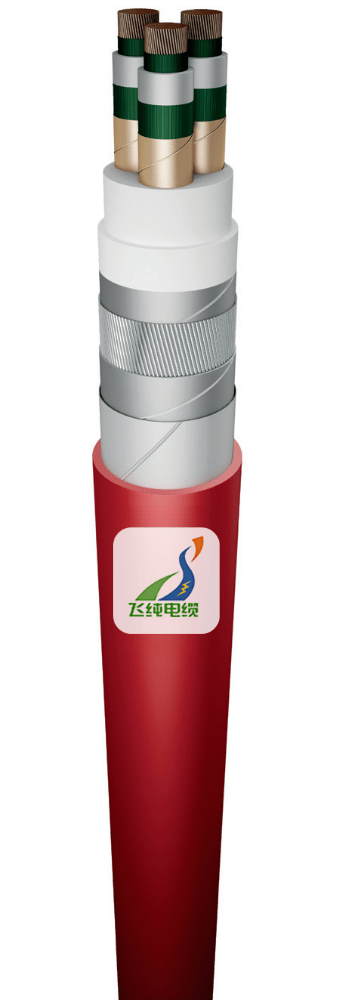
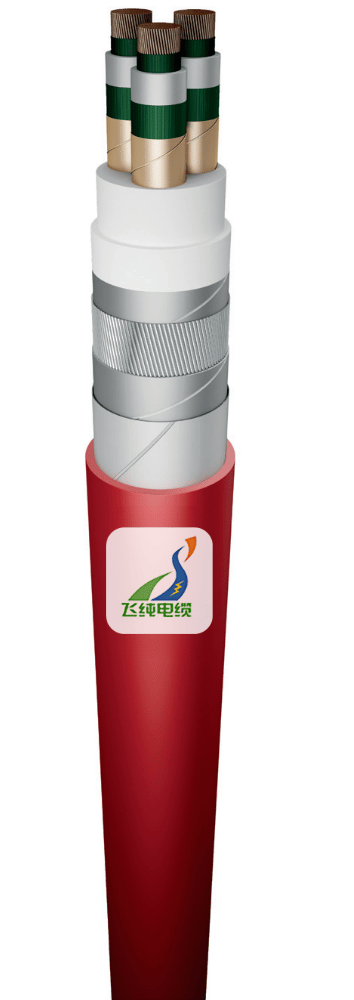
Individually shielded mining cable, high purity copper core,
cross-linked polyethylene insulation, PVC sheath, with seal
radial, flat steel wire armor, longitudinal seal,
flame retardant PVC outer shell
Type YRUHKGXSFpyn 3.6/6 kV Mining Power Cable – An SEO-Friendly Overview
The Type YRUHKGXSFpyn 3.6/6 kV Mining Power Cable is engineered for robust performance in harsh underground mining environments. Designed to meet the stringent ZN-TF 203:2006 standard, this cable delivers reliable power distribution even in the most challenging hazardous conditions.
Key Features and Construction
High-Purity Copper Core:
The cable utilizes round, multi-stranded, compacted copper conductors (Class 2 as per EN 60228) to ensure excellent electrical conductivity and minimal energy loss.
Individual and Working Conductor Shielding:
Each conductor is individually shielded with conductive tape combined with copper or conductive polyethylene, while an additional working conductor screen minimizes electromagnetic interference—vital for maintaining performance in high-noise mining environments.
Superior XLPE Insulation:
Cross-linked polyethylene (XLPE) insulation (Type DIX 3, PN-HD 620 S1:2002) provides outstanding thermal resistance and dielectric strength, ensuring long-term reliability.
Multi-Layer Protective Design:
Inner Sheath: A PVC (type DMV 31) layer safeguards the insulation.
Radial Sealing: An Al/PVC tape creates a moisture barrier around the cable.
Separating Layer: An additional PVC layer separates the insulation from the mechanical armor.
Armoring: Flat steel wires form a robust armor that protects the cable, especially in installations with inclinations over 45°.
Longitudinal Sealing: A water-swelling tape seals the cable along its length, preventing moisture ingress.
Flame-Retardant Outer Shell: A flame-retardant PVC (polwinit) outer sheath meets IEC 60332 standards, ensuring safety against fire hazards.
Operating Characteristics
Temperature Ratings:
Operating conductor temperature up to +90 °C.
Minimum ambient temperature of –30 °C for permanently laid cables and –50 °C during installation.
Conductor temperatures can reach up to +2500 °C during short-circuits.
Mechanical Properties:
Minimum bending radius is set at 12 times the cable’s external diameter.
The cable withstands high tensile forces (50 times the sum of the conductor cross-sectional areas).
Electrical Testing:
Tested at 15 kV AC for 5 minutes at 50 Hz to ensure top-quality insulation and performance.
Packaging Options:
Typically supplied in 500 or 1000-meter drums, with customized lengths and packaging available to meet various project requirements.
Applications in Mining
Specifically designed for underground mining power distribution, these cables are ideal for both methane and non-methane hazardous areas. Their rugged construction makes them perfect for:
Hazardous Environments:
Suitable for areas classified as “a”, “b”, or “c” regarding methane explosion hazards and coal dust explosion risks.
Challenging Installations:
The steel wire armor and water-resistant sealing ensure durability in inclined mine shafts and drift galleries with slopes exceeding 45°.
Certifications and Standards
This cable is certified by recognized bodies such as EMAG and WUG, and complies with RoHS79. It meets critical international standards like IEC 60332-1-2 and IEC 60332-3-24C, ensuring high safety and performance in mining operations.
The Type YRUHKGXSFpyn 3.6/6 kV Mining Power Cable combines advanced materials, robust construction, and industry-leading safety features, making it the ideal choice for demanding underground mining applications. Its superior design not only meets rigorous electrical and mechanical standards but also provides enhanced protection against fire, moisture, and mechanical stress.
Frequently Asked Questions (FAQ)
Q: What is the nominal voltage rating of the Type YRUHKGXSFpyn cable?
A: The cable is rated for 3.6/6 kV, making it ideal for underground mining power distribution.
Q: What is the primary application of this cable?
A: It is designed for underground mining power networks in hazardous areas, including methane and coal dust zones.
Q: Which standards does this cable meet?
A: The cable complies with ZN-TF 203:2006, EN 60228, PN-HD 620 S1:2002, and flame retardancy standards IEC 60332-1-2 and IEC 60332-3-24C.
Q: What type of conductor does the cable use?
A: It uses high-purity, round, multi-stranded, compacted copper conductors, ensuring excellent electrical conductivity.
Q: How are the conductors shielded?
A: Each conductor is individually shielded with a conductive tape and copper tape (or conductive polyethylene with copper tape), reducing electromagnetic interference.
Q: What insulation material is used in the cable?
A: The cable features cross-linked polyethylene (XLPE) insulation, offering superior thermal resistance and dielectric strength.
Q: What is the role of the inner PVC sheath?
A: The inner PVC sheath (type DMV 31) protects the XLPE insulation from mechanical damage and environmental influences.
Q: How does the cable prevent moisture ingress?
A: Moisture is blocked by a dual sealing system: a radial seal using Al/PVC tape and a longitudinal water-swelling tape that seals along the cable’s length.
Q: What type of armor is used for mechanical protection?
A: The cable is reinforced with flat steel wire armor, which offers robust protection, especially in inclined or mechanically demanding installations.
Q: What is the purpose of the separating PVC layer?
A: The separating layer (also type DMV 31) helps maintain the integrity between the insulation and the armor.
Q: How is fire safety ensured in this cable?
A: The outer flame-retardant PVC (polwinit) sheath meets international flame propagation standards, reducing fire risks in hazardous mining environments.
Q: What is the maximum operating temperature for the cable’s conductor?
A: The conductor can operate continuously at temperatures up to +90 °C.
Q: What are the cable’s minimum ambient and installation temperatures?
A: Permanently laid cables can operate at ambient temperatures as low as –30 °C, while installation without pre-heating is possible at –50 °C.
Q: How does the cable perform under short-circuit conditions?
A: During a short circuit, conductor temperatures can reach up to +2500 °C without compromising safety.
Q: What is the minimum bending radius for this cable?
A: The minimum bending radius is 12 times the cable’s external diameter, ensuring flexibility during installation.
Q: What test voltage does the cable withstand?
A: The cable is tested with a 15 kV AC voltage for 5 minutes at 50 Hz to verify insulation integrity.
Q: How does individual shielding benefit the cable in mining applications?
A: It minimizes electromagnetic interference, ensuring stable and reliable operation in high-noise, high-magnetic-field environments typical of mining sites.
Q: Is the cable suitable for both methane and non-methane areas?
A: Yes, it is certified for use in hazardous environments with and without methane, making it versatile for various underground mining conditions.
Q: What advantages does the flat steel wire armor provide?
A: The flat steel wire armor offers enhanced mechanical protection, ideal for installations in inclined shafts or areas experiencing high mechanical stress.
Q: Why is XLPE insulation chosen for this cable?
A: XLPE insulation provides high thermal resistance, superior dielectric properties, and long-term durability, critical for harsh mining environments.
Q: How does the cable ensure energy-efficient power distribution?
A: Its high-purity copper conductors and stable electrical properties minimize energy loss, ensuring efficient power transmission.
Q: What environmental challenges is the cable designed to withstand?
A: The cable is engineered to resist moisture, chemicals, mechanical stress, and fire hazards commonly encountered in underground mining.
Q: Which certifications back the quality of this cable?
A: It is certified by EMAG and WUG and meets RoHS79 standards, ensuring compliance with rigorous industry requirements.
Q: How does the water-swelling tape contribute to the cable’s performance?
A: It creates a reliable longitudinal seal that prevents moisture from infiltrating along the cable’s length.
Q: In what scenarios is the cable’s flame retardant feature most beneficial?
A: The flame-retardant outer sheath significantly reduces fire risk in explosive atmospheres found in mining operations.
Q: What makes this cable suitable for high-risk mining environments?
A: Its robust construction, dual sealing system, and comprehensive shielding make it highly reliable even in hazardous conditions.
Q: How does the cable’s design support installation in inclined mine shafts?
A: The flat steel wire armor and flexible construction allow secure installation on slopes greater than 45°.
Q: What are the packaging options for this cable?
A: The cable is typically supplied in 500 or 1000-meter drums, with customized lengths and packaging options available upon request.
Q: How is the cable tested to ensure its reliability?
A: It undergoes rigorous testing, including high-voltage tests (15 kV AC for 5 minutes) and mechanical stress assessments, to ensure long-term performance.
Q: What are the benefits of using high-purity copper in the cable?
A: High-purity copper ensures optimal conductivity, lower energy losses, and high performance under varying electrical loads.
Q: How does the cable maintain consistent electrical performance?
A: Its design minimizes inductive reactance and resistance, ensuring stable and reliable power distribution in demanding mining operations.
Q: What maintenance practices are recommended for this cable?
A: Regular inspections should focus on the integrity of the outer sheath, seals, and armor to detect and address any signs of wear or damage early.
Q: Can the cable handle short-term overload conditions?
A: Yes, the cable is designed to withstand high short-circuit temperatures, ensuring safety during transient overload conditions.
Q: How does the cable reduce energy losses in long-distance power transmission?
A: Its stable electrical properties, including controlled resistance and inductance, ensure efficient power distribution over extended distances.
Q: Are custom configurations available for specialized mining projects?
A: Yes, custom lengths, packaging options, and tailored configurations are available to meet the specific demands of diverse mining projects.


Type YRUHKGXSFpyn 3.6/6 kV Mining Power Cable
Engineered for the toughest underground mining environments, this high-performance power cable is designed to deliver reliable electrical distribution in hazardous areas. Featuring high-purity copper conductors that are individually shielded to reduce electromagnetic interference, it ensures efficient power transmission even in high-noise settings. The cable’s robust construction includes XLPE insulation for superior thermal and dielectric performance, combined with a multi-layer PVC system that provides excellent moisture and chemical resistance. A dual sealing design—with both radial and longitudinal seals—offers added protection against water ingress, while flat steel wire armor enhances mechanical durability for installations in steep or challenging mine shafts. The flame-retardant outer PVC shell meets international safety standards, making it an ideal solution for both methane and coal dust explosive environments. This cable not only meets stringent industry standards (ZN-TF 203:2006, EN 60228, PN-HD 620 S1:2002) but also delivers long-term reliability and safety in critical mining operations.
6/30/20216 min read